Key principles can help to create an understanding and guidance for disability inclusion across council teams.
This section helps councils to have a shared understanding of disability inclusion to guide the design and delivery of inclusion planning, and inclusion in everyday work.
The key principles can help to create an understanding and guidance for disability inclusion across council teams. They were developed through a desktop review of disability inclusion policy in the context of local government, and informed by stakeholder engagement.
Embedding these principles across council work demonstrates a commitment to the rights and inclusion of people with disability in every community. The principles should help inform decisions, policies and actions that uphold human rights and promote belonging.
In Australia, disability rights are upheld by the Disability Discrimination Act 1992. This Act must be followed by duty holders, which includes local governments. It applies to services, facilities, premises, and other activities that local governments are responsible for.
Australia’s Disability Strategy 2021-2031 calls on all Australians to ensure people with disability can participate as equal members of society. The Strategy reflects a collective commitment by all levels of government - Australian, state, territory and local - to build an Australia where people with disability are valued, included and empowered to thrive.
Understanding the social and human rights models of disability
Disability has been explained through many models over time. Current good practice centres on the social and human rights models of disability. These models help us understand disability as a matter of fairness and equity, rather than treating it as a personal limitation.
The social model of disability says that people with disability experience limitations because social systems, environments and attitudes are inaccessible and exclude them, making it harder for people to take part in everyday life. This moves away from the medical model of disability, which sees disability as an individual deficit, and can contribute to ableist attitudes and behaviours.
The human rights model of disability recognises disability as a natural part of human diversity. This model emphasises that people with disability have the same rights as everyone else, and that their disability is not an excuse to deny or restrict their rights. It places obligations on society – including governments – to remove barriers and uphold dignity, autonomy and inclusion, even after barriers have been removed.
What councils can do
What councils can do
Having a rights-based approach to disability inclusion supports councils to build environments and systems that are inclusive, fair, welcoming and accessible from the outset.
These models offer a strong foundation for thinking about rights and inclusion. For councils, they can encourage you to look at where there might still be barriers for people with disability in your community. For example, this could be in policies, service design, public spaces, communication or how you manage employment and recruitment.
Using these models helps councils to ask:
“What might make this difficult for someone to access or take part in?”
“What can we change so participation is equitable?”
Centring people with disability means recognising their expertise and leadership in decisions that affect them. It places lived experience at the heart of disability inclusion and shifts inclusion from something done for people with disability to something designed with people with disability.
Nothing About Us Without Us
The motto “Nothing About Us Without Us” relies on the principle of participation. It has been used by Disabled Peoples Organisations throughout the years as part of the global movement to achieve the full participation and equalisation of opportunities for, by and with persons with disabilities.
Involvement of lived experience should also include representation of council staff with disability. The insight this provides, from an organisational and community perspective, can strengthen planning, culture and engagement.
What councils can do
Councils can create safe and supportive ways for people with disability to participate in decision-making.
Direct representation of people with disability. Establish advisory groups or other ways to ensure direct and ongoing input from people with disability in policies, planning and service design.
Involve people with disability in planning. Councils are required to consider impacts on people with disability and consult with communities in areas such as planning for infrastructure and service design. This requires having accessible ways for people with disability to take part in consultation and design processes.
Recognise the expertise of people with disability in the community. Respecting and recognising lived experience often includes payment for time and expertise, in the same way other specialist contributions are valued. This expertise and contributions should also be recognised with acknowledgements such as on council websites, in newsletters and media.
Partner with local organisations. Disability advocates in your community are important stakeholders and often have the networks and experience to help councils engage with people with disability in a safe and effective way. Councils could consider partnerships with local disability organisations and peer groups to collaborate on engagement.
Employment of people with disability. Employment within councils is a practical way to make sure people with disability are at the centre of decision making. This includes employing people with disability in leadership positions.
Intersectionality recognises that a person or group of people have different experiences and can be affected by multiple forms of marginalisation, discrimination and disadvantage due to different parts of their identity like race, sex, gender identity, sexual orientation, disability, class, religion, culture and linguistic diversity and age. Intersections can occur between multiple parts of a person’s identity. There can also be intersections within a person’s experiences of disability, as it is common for people to have multiple disabilities.
These overlapping identities can influence how people move through their community, how they are perceived and the opportunities available to them, in ways that are different from experiencing the identities separately.
What councils can do
Taking an intersectional lens means:
reflecting the diversity of people with disability in planning, engagement and service design
considering how other plans in council – such as Reconciliation Action Plans, and action plans for multicultural communities, LGBTIQA+ communities, young people and older people – integrate with your Disability Action Plan
having a diverse representation on advisory groups and in activities that inform the policies and work of councils.
‘Disability’ is also not recognised by many Aboriginal and Torres Strait Islander people so programs in communities need to consider access for the whole community, acknowledging that ‘disability inclusion’ may not be a familiar term.
Councils should align their disability inclusion and action planning with Closing the Gap commitments. The Closing the Gap National Agreement includes a disability cross-cutting outcome that recognises the need to tailor actions for First Nations people with disability. Councils can support this by partnering with local Aboriginal Community Controlled Organisations and tailoring programs, spaces and engagement to reflect local culture, languages and community priorities.
Case study: Embedding the principle of intersectionality in planning
Community input into council planning is critical to make sure decisions reflect local needs, values, and lived experience.
Brisbane City Council’s Inclusive Brisbane Plan 2019-2029 covers the council’s policies and actions toward inclusion in areas such as travel, work, community spaces, health and wellbeing, tourism, governance and community connection. The plan incorporates inclusion across community groups, identities and needs, as part of an overarching vision of Brisbane as ‘a city where everyone feels they belong’.
Development of the plan involved community consultation with ‘residents of diverse age, cultural background, ability, gender, various socio-economic backgrounds and those with different levels of wellbeing’. Community feedback directly led to an expansion of the plan to ensure that services and programs were not limited to specific groups but supported inclusion for all. By providing an integrated Plan, this approach allows room for intersectional needs and experiences and does not require community members to segregate their identities when seeking information, support and services.
Many people with disability have experienced discrimination, exclusion, neglect, exploitation, violence and/or abuse, which can cause ongoing trauma. Trauma-informed planning and engagement helps councils build trust. It means councils are safely and respectfully involving people with disability in planning and other processes – for example, in emergency management, community engagement and customer service.
Understanding the findings of the Disability Royal Commission
The Royal Commission into Violence, Abuse, Neglect and Exploitation of People with Disability made recommendations about how governments and institutions can improve safety and respond to trauma and exclusion that people with disability have experienced over many years. Their final report and guide is a useful resource for councils to consider the impacts of and possible changes to prevent violence, abuse, neglect and exploitation of people with disability in our communities.
What councils can do
For councils, being trauma-informed means paying attention to emotional, cultural and psychological safety in everyday work. This includes:
How staff interact with community members
Trauma informed practice encourages councils to slow down, communicate clearly, offer choice, explain processes, and check in respectfully throughout interactions.
How complaints or compliance matters are handled
Trauma informed practice ensures people are empowered to engage with complaints systems in a safe way.
Councils should be clear about how a person with disability or their supporters can make a complaint to council if they think they have been treated unfairly or there are issues with access in community services council is responsible for.
When making a complaint, a person with disability must be treated with respect, with consideration to past and continuing trauma and any experiences of discrimination occurring in a person’s life.
How engagement activities are run
A trauma-informed approach also recognises that people respond to environments differently. What feels safe and predictable for one person may feel overwhelming or triggering for another. Councils can consider noise, lighting, crowding, sensory needs, clarity of instructions and the tone used in written and verbal communication.
How staff are supported
Councils should also consider how staff are supported to work in a trauma-informed way, including training and supervision.
When we use inclusive language, we create more respectful, supportive and accessible communities.
Disability-inclusive language recognises people with disability as experts in their own lives and values the terms they choose for themselves. It avoids deficit-based language that focuses on what a person “can’t do”, outdated or clinical labels, and euphemisms. Inclusive language also acknowledges the diversity of disability without grouping different experiences together. It keeps the focus on rights, dignity and participation rather than diagnosis or limitation.
What is person-first and identity-first language?
Person-first (‘person with disability’) and identity-first (‘disabled person’) language are both used in Australia. Government, non-government and institutional language in Australia predominantly use person-first terms. Many people have strong preferences for one term or the other, and these preferences can differ across communities and contexts. A respectful approach is to follow the lead of the person or group you are speaking with - and it’s always okay to ask.
The PWDA Language Guide provides clear and contemporary advice on respectful wording and inclusive language choices.
What councils can do
To use respectful and inclusive language, always aim to:
Listen to people with disability and follow their lead. Make sure people with disability help to inform the language your council uses.
Use clear and contemporary wording to help people feel represented and welcomed.
Make sure inclusive language about disability is used in all your communications and events. This helps people with disability feel more comfortable taking part.
Provide disability awareness training to council staff and elected officials to help them understand inclusion and create confidence in their communication with people with disability.
Stay open to conversations about different preferences and changes to language. Language about disability and inclusion changes over time.
Share advice about language. We can all play a role in sharing advice about language with others in local government.
What is universal design?
Universal design is an approach to planning, building and communicating that aims to make things usable for as many people as possible, from the outset. It removes barriers before they appear by considering a wide range of access needs early in design. For councils, universal design is both good practice and good governance. It can improve safety, usability and inclusion for the whole community.
While universal design benefits people with disability, the impact extends to many others. For example, installing kerb ramps at road crossings makes it easier for wheelchair users and people using mobility aids, which can include older people and people with temporary injuries. But this also improves safety and convenience for people with prams, wheeled suitcases and trolleys, as well as for cyclists to transition safely between roads and paths at crossings.
Similarly, communication in simple language and using images can be more accessible for people with intellectual disability or cognitive issues, and also for people with limited English or low literacy.
The difference between Universal Design and disability-specific design
While Universal Design is important it may not anticipate or meet every access need; some people require disability-specific design or targeted adjustments to participate on an equal basis. Examples include Changing Places facilities, Auslan interpreting, Easy Read information, screen-reader compatible systems, or low-sensory spaces. These supports respond to specific access requirements and recognise that disability experiences and needs vary widely.
Councils can avoid an ‘either/or’ approach as Universal Design and disability-specific design work best together. A combined approach supports equity, dignity and genuine participation for people with disability across diverse local contexts.
You can find more guidance on these under Focus Area 1 – Accessible Infrastructure and Services.
What councils can do
What councils can do
Universal design encourages councils to look at barriers across physical, digital, sensory and social environments. It supports council teams to ask in the early stages of planning:
“Who might find this difficult to use?”
“What could we do now to make this easier, safer and more comfortable for everyone?”
Councils can also:
Embed steps to consider the 7 universal design principles in planning and development processes across council areas, including infrastructure, technology, communication and engagement.
Ensure early and ongoing engagement with people with disability to make it easier to identify barriers, test ideas and create solutions that genuinely work in practice.
Ensure compliance with universal design principles when they are in legislation and Standards.
The 7 Principles of Universal Design
The purpose of the 7 Principles of Universal Design is to guide the design of environments, products and communications so that everyone can use them.
1
Equitable use
Make sure everyone can use the design in the same or an equivalent way.
Avoid approaches that separate or single out people.
Provide options that give all users a fair and dignified experience.
Example: Accessible seating at a sports stadium is integrated rather than a designated area for people using wheelchairs.
2
Flexibility in use
Offer different ways for people to participate, move through a space or complete a task.
Support individual preferences.
Make sure the design can adapt to different levels of accuracy and pace.
Example: Community feedback can be provided in person, online, over the phone or in written format.
3
Simple and intuitive to use
Keep layouts, instructions and processes simple and straightforward.
Design so people can use the product or environment without previous knowledge.
Example: A directory sign in the foyer of a building includes high contrast text, icons and braille.
4
Perceptible information
Provide information in multiple formats, such as text, audio, tactile or visual.
Make sure the information is clear even when conditions change e.g. lighting or noise.
Example: A new employee induction training video includes captioning.
5
Tolerance for error
Reduce hazards and minimise the impact of mistakes.
Use clear warnings, prompts or cues to guide safe use.
Design elements that allow people to recover easily if they make an error.
Example: A website provides 'back' or 'undo' option so people can correct mistakes without losing progress or having to restart.
6
Low physical effort
Make tasks comfortable and achievable with minimal physical strain.
Avoid designs requiring sustained force.
Support people with different mobility and energy levels.
Example: Doors to a community centre open automatically.
7
Size and space for approach and use
Provide enough room for people to move, turn and reach.
Position key elements within comfortable reach and/or sight.
Example: The top shelf in a library can be reached by a person seated in a wheelchair.
Local government uses communication and engagement to inform the public about services, gather feedback for decision-making and encourage participation.
There are a broad range of communication and engagement activities that councils initiate, which can range from optional to legislative requirements (such as in planning and development notifications).
Inclusive communication and engagement means being aware of the needs of people with disability when it comes to council materials and processes.
Why this matters for councils
Communities are strengthened when everyone can participate in local and civic life and have a say in the decisions that affect them.
It’s critical that people with disability have access to information in ways that work for them, can join conversations about what matters and are welcome and included in community spaces, programs and events.
Councils have an opportunity to improve the way they communicate and engage people with disability and by doing so, improve their services and programs, while also building the capacity of the community they serve.
Strong communication and engagement with communities is also important to building transparency and community trust.
Information and communication in accessible formats
Information provision is important to ensuring people with disability are aware of council services, programs and initiatives and is the foundation for participation.
Accessible communication means providing information in formats and channels that everyone can understand.
What councils can do
What councils can do
Use plain language and avoid jargon. Keep sentences short and active.
Apply web accessibility standards (WCAG), following guidance from the Australian Human Rights Commission’s digital access guidelines.
Where documents are long and/or technical, consider developing Easy Read summaries to increase reach and understanding.
Use clear headings and conventional document styles (level headings). This supports the use of screen readers.
Offer documents in multiple formats such as Easy Read, Auslan, captions, transcripts, large print and audio.
Use images with alt text.
Ensure social media posts, online forms, newsletters and signage follow inclusive principles (e.g. alt text, high contrast, meaningful links).
Provide a named contact person for accessibility support on all public communications.
Avoid creating barriers through unnecessary forms or online-only processes.
Did you know?
According to the Australian Human Rights Commission, providing accessible information (including captions, Easy Read, screen-reader friendly documents and plain language) increases engagement across the entire community, not just for people with disability.
Accessible communication formats
Councils should consider providing information in a range of accessible formats:
Plain language - Clear, simple language that avoids jargon
Easy Read / Easy English - Simplified text with supporting images for people with cognitive disability or low literacy
Auslan - Australian Sign Language video interpretation for Deaf community members
Captions - Text versions of audio content in videos
Transcripts - Written versions of audio and video content
Large print - Documents in larger font sizes for people with low vision
Audio - Spoken versions of written content
Braille - Tactile reading format for people who are blind
Screen reader compatible documents - Properly structured digital documents that work with assistive technology
High contrast - Visual materials with strong colour contrast for people with low vision
Inclusive principles for accessible design
Within these formats, it’s important to apply inclusive principles for accessible design and communications, such as:
Have diversity of representation in imagery and stories
Use inclusive language
Use alt text on images
Use high contrast colours in designs
Only include meaningful links in emails, social media posts and newsletters.
How councils can make sure their employment and procurement practices promote the employment and economic participation of people with disability in the community.
Employment & Financial Security Community Attitudes Education & Learning
This area is about how councils plan, design, build and maintain public spaces, facilities and service systems that shape everyday community life.
Councils provide many places and services that people use in their everyday lives. This includes footpaths and roads, parks and open spaces, public buildings, libraries, pools, waste services, community transport, digital information, and customer service environments.
When these environments are accessible, people with disability can participate independently, travel safely, engage in civic life and enjoy their community on the same basis as others. Embedding accessibility from the beginning helps create places where everyone can participate fully and feel welcome.
Councils have to follow the laws under Australia’s Disability Discrimination Act 1992. The DDA applies to all organisations in Australia (both public and private organisations). Services, amenities and policies often provided by councils are covered by the DDA, including:
planning approval processes
recreation and cultural facilities
community services (such as childcare, aged care or accommodation)
parking facilities
infrastructure (such as local roads, bridges, footpaths and waste collection)
public toilet facilities.
There are also Disability Standards under the DDA that set rules and guidance for what organisations, such as councils, must do in areas like ensuring access to public transport, buildings, premises and facilities:
The National Construction Code (NCC) translates these into technical provisions that apply to many council projects and planning approvals. State and territories may have different legislation, requirements and codes in place for public spaces and infrastructure. It’s important to check the legislation and requirements relevant to your council area.
The case for inclusive design in buildings and facilities
These legislative frameworks outline the minimum requirements set by the Commonwealth, and should be regarded as a baseline for compliance. Universal design principles and disability-specific design go beyond this minimum level – they set out ways to further remove barriers and support participation in community life.
A key way this is achieved is by ensuring spaces are accessible to everyone, including people with disability and the wider community. Inclusive design also contributes social and economic benefits. For example:
it can reduce long-term maintenance and retrofit costs by ensuring that community needs are anticipated from the start
it can increase local economic activity through boosting visitor and tourist numbers, and strengthen the vibrancy of local main streets and town centres
it can support social connection for families and build children’s confidence through having more accessible, family-friendly and inclusive play-spaces and recreation facilities.
Practical approaches
Universal design means designing products, environments and services so they can be used by all people, to the greatest extent possible, without the need for adaptation. The 7 principles of universal design emphasise equitable use, flexibility, simplicity, perceptible information, tolerance for error, low physical effort and appropriate size and space.
What councils can do
What councils can do
Use practical universal design guidelines and checklists from Australian sources, such as the Centre for Universal Design Australia practice guidelines and state-based universal design policies (for example, the Victorian Whole of Government Universal Design Policy).
Require planning and design teams and consultants to demonstrate how they have applied universal design principles, including for people with physical, sensory, cognitive, neurological and psychosocial disability.
Integrate universal design into development assessment guidance, so developers understand how accessibility expectations go beyond minimum compliance.
Understand universal design principles and how requirements might apply in your council area. For example, the design and construction of office buildings (Class 5) outlined in the National Construction Code (NCC) applied in some states and territories and includes universal design principles as part of minimum requirements.
The purpose of the 7 Principles of Universal Design is to guide the design of environments, products and communications so that everyone can use them.
1
Equitable use
Make sure everyone can use the design in the same or an equivalent way.
Avoid approaches that separate or single out people.
Provide options that give all users a fair and dignified experience.
Example: Accessible seating at a sports stadium is integrated rather than a designated area for people using wheelchairs.
2
Flexibility in use
Offer different ways for people to participate, move through a space or complete a task.
Support individual preferences.
Make sure the design can adapt to different levels of accuracy and pace.
Example: Community feedback can be provided in person, online, over the phone or in written format.
3
Simple and intuitive to use
Keep layouts, instructions and processes simple and straightforward.
Design so people can use the product or environment without previous knowledge.
Example: A directory sign in the foyer of a building includes high contrast text, icons and braille.
4
Perceptible information
Provide information in multiple formats, such as text, audio, tactile or visual.
Make sure the information is clear even when conditions change e.g. lighting or noise.
Example: A new employee induction training video includes captioning.
5
Tolerance for error
Reduce hazards and minimise the impact of mistakes.
Use clear warnings, prompts or cues to guide safe use.
Design elements that allow people to recover easily if they make an error.
Example: A website provides 'back' or 'undo' option so people can correct mistakes without losing progress or having to restart.
6
Low physical effort
Make tasks comfortable and achievable with minimal physical strain.
Avoid designs requiring sustained force.
Support people with different mobility and energy levels.
Example: Doors to a community centre open automatically.
7
Size and space for approach and use
Provide enough room for people to move, turn and reach.
Position key elements within comfortable reach and/or sight.
Example: The top shelf in a library can be reached by a person seated in a wheelchair.
Councils should design and build in ways that remove barriers to access and participation for people with disability.
What councils can do
What councils can do
Design, construct or install specialised equipment in council-run and managed facilities. For example:
In recreation and aquatic facilities, use pool hoists, aquatic wheelchairs and make quiet areas available.
Include accessible adult change facilities and Changing Places in key destinations such as town centres, regional parks, civic squares, community hubs, libraries, aquatic centres and event spaces.
Put in accessible beach and nature infrastructure, such as beach matting, and beach access programs that loan equipment at no cost.
Consider Master Locksmiths Access Key (MLAK) systems for some toilets, lifts and playground equipment where this improves usability and safety, and keeps facilities available to people who need them.
Funding disability-specific design and facilities
Look for specific funding opportunities for local government at the national or state level to support the construction of fixed and portable facilities for people with disability. The Commonwealth Government’s Accessible Australia program is one example of funding for inclusive beaches, parks, facilities and play spaces.
Councils could also consider partnering with local organisations to sponsor or fundraise for accessible equipment for parks, beaches and other facilities. For example, local RSLs and Lions Clubs often partner with councils to do this.
Case study: Tweed Shire tactiles help pave the way for accessibility
Local government pathways support everyday activities like walking, cycling, and commuting. They improve safety and accessibility for all ages and abilities, and encourage healthier, more connected communities.
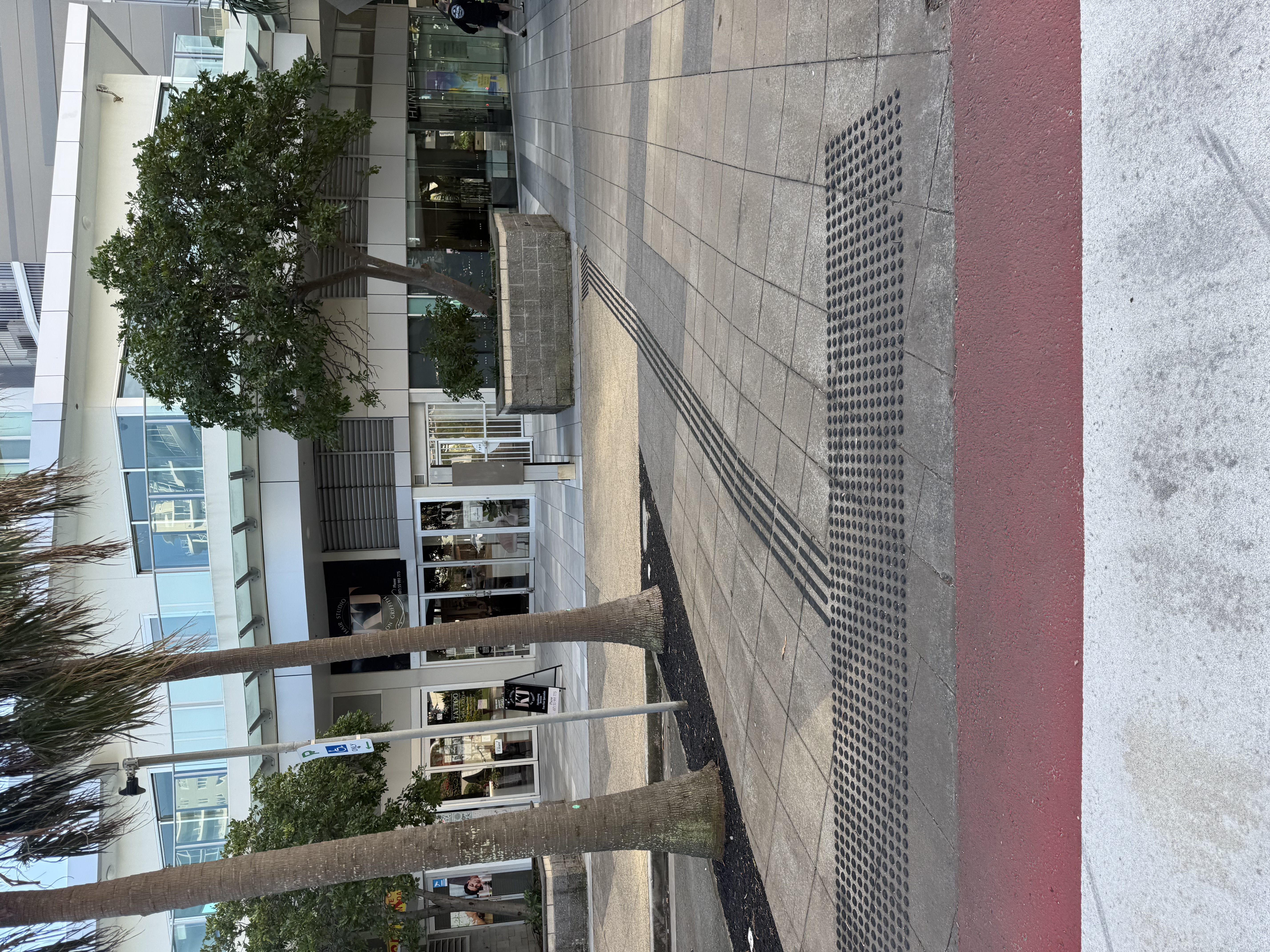
The Tweed Shire is leading the way in making it safe and easy to get around their towns with Tactile Ground Surface Indicators (TGSIs or ground indicators) and braille trails. This highly effective network of tactile indicators assists people who are blind or vision impaired using mobility canes, guide, or seeing eye dogs, to move safely through shared walking areas. It makes sure they can more safely and easily move around their local community. This has benefits for improving access to services for people in the community and for community participation.
This is underpinned by Tweed Shire Council’s Access and Inclusion Plan 2023-2026, which sets out the Council’s local commitments to improving access, participation and inclusion for people with disability across the Tweed community. It is a key action under the Accessible Communities focus area for Community experiences and views. Council has committed to ‘keep upgrading access to public places and facilities with a focus on ramps, tactile indicators and accessible parking’.
This is also featured in the Tweed Pedestrian and Bike Plan, making sure the focus of accessibility is integrated into the travel and transports parts of council’s work.
Case study: Accessibility through portable changing places in Greater Geelong
Inclusive public spaces and amenities support community participation and encourage social connection. Local councils can improve these facilities by considering how they best meet the needs of everyone who uses them.
A single mobile facility has helped to transform how Greater Geelong delivers inclusive, accessible events for its community - and, it’s a toilet…
As one of Victoria’s fastest growing regions, about 22% of Greater Geelong’s population (270,000 people) having a disability. The council hosts a wide range of community events that attract large numbers of residents and visitors. As attendance at community events grow, so does the need for facilities that support access for the whole community.
The council has introduced the ‘Marveloo’; a fully accessible, portable Changing Places facility which comes fit with a track hoist and adjustable adult changing tables. City of Greater Geelong’s local inclusion advisory body advocated for the portable solution.
Marveloo has been used at major community events like The Royal Geelong Show and Ability Fest. The Marveloo joins the permanent Changing Places locations across Geelong that have been installed since 2009.
Because Marveloo is portable the council can deploy it at events, festivals or temporary community sites without needing to build permanent infrastructure, saving the council time and money.
Marveloo shows how a single, well designed, flexible mobile facility can significantly enhance accessibility across the whole region. This is one example of how local governments can make events more inclusive, welcoming and accessible for everyone.
While many councils don’t operate public transport, they play a central role in how people travel to, between and from stops, interchanges and key destinations. Providing safe and accessible routes for people to walk and/or use a range of mobility and navigation aids, is important for disability inclusion in the community. This includes in rural and regional areas where public transport options are often limited.
When planning for and supporting transport in the community, it is important to think about every part of a trip. This includes ‘hard’ infrastructure, such as signage, bathroom facilities and seating, and ‘soft’ infrastructure, such as staff and driver interactions.
What councils can do
What councils can do
Ensure continuous, step-free, well-lit and well-maintained paths of travel between homes, parking, bus stops, interchanges, shops, services, health facilities, schools, parks and community facilities.
Plan accessible parking, drop-off and pick-up zones, taxi ranks and set-down areas close to key entries, with connections to doors and lifts.
Work with transport agencies on wayfinding strategies that use multiple formats (clear signage, tactile and Braille information, audio and digital tools) and involve people with disability in testing.
Consider vertical transport and contingency planning for lift outages at council-owned interchanges, car parks and multi-level facilities, such as alternative routes, clear signage, staff support and communication.
When councils plan precincts and civic places with this whole journey in mind, people can move confidently between stops, services and local destinations.
When designing a main street, councils can ask: Does the route include clear signage, sun-safe resting points, safe crossings and an accessible toilet along the way?
Digital access is becoming increasingly vital for communities, and should be prioritised alongside physical access. Council websites, apps, online forms, payment systems, booking platforms, public Wi-Fi, digital kiosks, and social media need to be accessible and inclusive of the diversity of communities.
Inclusive design research shows that accessible digital services can expand reach, improve user satisfaction and reduce complaints and costs over time.
What councils can do
What councils can do
Adopt an organisation-wide digital accessibility policy aligned with Australian Human Rights Commission guidance and WCAG accessibility requirements.
Include accessibility in procurement for websites, apps, customer request systems, ticketing and information displays, including requiring testing with diverse users.
Provide communication and other content in multiple formats. Go to the guidance on accessible communication in local government section.
Ensure digital tools are part of your council’s service system, so people can access services without having to use the phone or visit service centres. This includes services such as libraries.
Guidelines for equal access to digital goods and services
The AHRC guidelines provide practical guidance on meeting digital accessibility obligations under the Disability Discrimination Act 1992.
Accessibility needs to be maintained. Lifts, ramps, tactile indicators, surfaces, lighting, toilets and digital systems all require ongoing maintenance and upgrades.
What councils can do
What councils can do
Build accessibility checks into regular asset inspections for roads, footpaths, parks, buildings, toilets, signage and digital platforms.
Prioritise fixing barriers that have high impact on safety and participation, informed by feedback from people with disability.
Use renewal programs and asset management plans as opportunities to improve accessibility beyond original standards, rather than like-for-like replacement over a phased roll-out to help with budget management.
Monitor and respond to complaints and compliments about accessibility to identify issues and improve future asset accessibility.
Planning for accessible infrastructure and services works best when councils partner with people with disability, disability representative organisations, local access and inclusion advisory groups, and other levels of government.
Councils can also work with local partners to advocate for upgrades to infrastructure, assets and services in community that are the responsibility of other agencies.
What councils can do
What councils can do
Establish or strengthen disability advisory committees to provide input into infrastructure and service planning.
Connect with local advocacy and disability representative organisations to better understand community needs and design places and facilities with their input.
Conduct site experiences with community members with disability, and design and test digital products and services with assistive technology users.
Use genuine two-way engagement processes (consultation and co-design, if possible) for major issues or projects such as town centre and precinct renewals, aquatic centres, playgrounds, libraries and civic areas. This leads to better solutions that are relevant and responsive to community priorities.
Share examples and learning with neighbouring local governments, regional and state-wide networks, and state or territory government agencies. Check out our case studies for current examples.
Reflection questions
Consider these questions for your council
1
How well do your current infrastructure and service strategies demonstrate inclusive design beyond minimum legal compliance? Can this be incorporated in your asset management plan to assist with a phased implementation.
2
Which parts of the Disability Standards for Accessible Public Transport 2002 and Disability (Access to Premises - Buildings) Standards 2010 are most relevant to your council, and how are these communicated to staff and designers?
3
When planning town centre or precinct improvements, how do you consider the whole journey from people's homes, through public or community transport, to their final destination? Where are the current gaps?
4
How accessible are your digital services? Do you have a clear plan to meet or exceed AHRC guidance on equal access to digital goods and services?
5
How are people with disability involved in setting priorities for infrastructure upgrades and helping to design solutions, and how do you close the feedback loop by showing what has changed as a result?
Tweed Shire tactiles help pave the way for accessibility
The Tweed Shire is leading the way in making it safe and easy to get around their towns with Tactile Ground Surface Indicators (TGSIs) and braille trails.
The City of Greater Geelong has installed multiple Changing Places facilities and operates 'Marveloo', a portable fully accessible change facility that can be taken to events and community sites across the municipality.
Case Study
Emergency management
This area is about how councils prepare and respond in emergencies to keep everyone in the community safe, including people with disability. It covers before, during and after disasters like fires, floods, cyclones or public health emergencies.
Councils have key responsibilities in emergency management. They manage community facilities, coordinate local responses, support emergency services, and deliver recovery programs. This responsibility extends to all people in the community, including those who may need additional support to stay safe when there is an emergency.
It is a requirement of national and state legislation and policy, including the Disability Discrimination Act, that every person has the right to safety, inclusion and equitable recovery.
Disability inclusive emergency management is the practice of planning for, responding to and recovering from emergencies in ways that include the participation, knowledge and needs of people with disability. People with disability experience more barriers with navigating emergencies, and are at increased risks during a disaster. This can be due to a range of factors such as physical barriers restricting mobility, or chronic health conditions that are exacerbated when there is a disaster (e.g. smoke from fires).
Working in partnership with people with disability, disability representatives, advocates and service providers is crucial to strengthen emergency management strategies and ensure they reflect the realities of lived experience. Integrating disability inclusion into emergency management ensures these systems are accessible and effective for all.
Important guidance for improving disaster preparedness, response and recovery with people with disability
Disability Inclusive Disaster Risk Reduction (DIDRR) Framework: The Disability Inclusive Disaster Risk Reduction (DIDRR) Framework and Toolkit for Collaborative Action provides a shared foundation for improving disaster preparedness, response and recovery for people with disability across Australia. It was co-designed with people with disability, community organisations, researchers and emergency services to ensure the guidance reflects real experiences and practical barriers. Councils can use the framework to review local emergency plans, identify gaps and design actions that better support the safety and wellbeing of their community before, during and after disasters. There are two practical tools produced in this work to help councils activate DIDRR at the individual, organisational and community level:
National Emergency Management Agency (NEMA) Toolkit for Disability Inclusive Emergency Management (DIEM): The Disability Inclusive Emergency Management (DIEM) Toolkit shares good practice tools and resources for disability inclusive emergency management developed in Australia. It consists of four main components: Overview, Principles and Practical Action Guide, Organisational Emergency Preparedness Profile, and Resource Map. Each component works together to facilitate self-assessment, collaboration, and tailored action planning for emergency preparedness. Councils can use the toolkit to assess their emergency preparedness and capabilities, identify strengths and areas for improvement, and foster strategic partnerships with other emergency planners and responders.
There are free eLearning modules for Disability Inclusion Emergency Management on the NEMA website.
Practical approaches
Prevention or mitigation focuses on understanding local risks early and strengthening the conditions that keep people with disability safe in an emergency.
Apply Universal Design principles when planning or upgrading council facilities and public infrastructure. This helps make sure facilities are accessible and more resilient in times of emergency
Involve people with disability and representative organisations in local risk assessments, hazard mapping or emergency planning activities
Plan for mitigating risks in natural disasters and other emergencies for people with disability as part of broader climate adaptation and community resilience initiatives
By building inclusion into emergency planning and education activities, councils can help residents with disability to prepare confidently and safely.
What councils can do
What councils can do
Work with disability organisations or community services to support personalised emergency planning, including through P-CEP workshops
Use guidance from DIEM to make emergency information and community education materials more accessible, including in multiple formats
Review emergency plans, websites and apps to ensure they are accessible and user-tested with people with disability
Support staff and volunteers with training on respectful, inclusive communication and assistance during emergencies, including making sure they’re aware of what specific supports are available
Strengthen partnerships with emergency services, disability networks and local providers to support residents who may have higher support needs. Councils can help make sure services understand the community profile and needs of people with disability as part of being prepared for emergencies
Case study: Mackay Regional Council
Preparing for emergencies in partnership with people with disability
Local governments play a key role in disaster and emergency management by preparing communities, responding to events, and supporting recovery. Inclusive disaster planning helps ensure everyone can stay safe, reduces preventable harm, and upholds equity, dignity, and human rights during times of crisis.
In Central Queensland, the coastal city of Mackay is no stranger to disaster: built on floodplains beside major river systems, it has endured devastating floods and extreme weather events. For people with disability who call Mackay home, disaster preparedness isn’t optional – it’s essential.
The barriers that people with disability face in everyday life can become much more dangerous in an emergency. When Cyclone Debbie struck Mackay in 2017, for many people with disability, ordinary supports were disrupted. Shelters, evacuation centres and general emergency messaging also failed to meet the needs of some people with disability.
In response, Mackay Regional Council introduced Disability Inclusive Disaster Risk Reduction practices and Person-Centred Emergency Preparedness (P-CEP) to make sure people with disability, and other high-risk groups such as seniors, have the capability and access to the resources they need to plan for their needs in emergencies. The approach marked a change from preparing ‘for’ residents, to preparing ‘with’ them, recognising that people bring their own expertise and lived experience to preparedness planning.
P-CEP is a process co-designed with people with disability, carers, community organisations, emergency services and researchers, that helps individuals tailor their emergency plans to their own strengths and needs. It begins with meaningful conversations rather than checklists, and supports people to assess their support requirements and plan how to manage them before, during and after an emergency.
Mackay Regional Council has actively promoted P-CEP across the community by making the P-CEP Workbook widely available and encouraging residents and service providers to use it to develop personalised plans. They also provide screen-reader accessible and fillable forms of the workbook, ensuring access for users with varying needs. In fact, the workbooks were in such high demand that Council had to keep ordering reprints!
In 2020, council brought together people with disability, carers, service providers, and emergency services through events, forums, meetings, and information sessions to create opportunities for hands-on learning and discussion about community preparedness and response during and after an emergency. They also started ‘P-CEP @ Libraries’ – a pop-up information stand for the start of the cyclone season located in libraries, to reach people who are not connected with traditional disability or aged care providers.
Mackay Regional Council’s implementation of P-CEP demonstrates how local governments can lead disability-inclusive disaster planning, supporting community members to feel more confident and better prepared for emergencies, and helping coordinate support across the whole of community.
As Dorothea Mackellar wrote, Australia is a land “of drought and flooding rains.” We always need to be prepared for natural disasters, and Mackay’s example shows what’s possible when councils lead on inclusive disaster planning.
During an emergency, councils have an essential role in communication, coordination and maintaining accessible community facilities.
What councils can do
What councils can do
Ensure warnings and updates are clear, timely and accessible. This means they should be delivered in accessible formats, including information in plain English and Auslan and captions where possible
Ensure evacuation centres and community relief hubs are as accessible as possible, including pathways, bathrooms and charging points for mobility or medical devices
Stay connected with disability organisations and local support providers to help check on residents who may need additional support
Make sure all emergency response teams are clear about procedures and specific supports available to help people with disability in the community access help, including during evacuation procedures
An inclusive approach to recovery not only restores services but strengthens community trust and cohesion.
What councils can do
What councils can do
Draw on P-CEP insights to shape recovery supports that respond to individual needs
Involve people with disability and representative organisations in community consultations and recovery planning
Apply Universal Design principles to rebuilding projects to ensure public spaces and buildings are more accessible than before
Work with disability and community organisations to deliver recovery hubs that offer information, mobility aid repair, peer support and wellbeing services
Work across systems to provide vital temporary services or facilities that may be required for people with disability while recovery efforts are underway. This may include ensuring there are accessible temporary or short-term accommodation options available
Clear, accessible, and timely communication helps everyone stay informed and safe during an emergency.
What councils can do
What councils can do
Provide key information in accessible formats such as plain language, Easy Read, captions, Auslan or screen-reader friendly content
Share updates through a mix of channels — SMS alerts, social media, websites, radio and local networks
Keep messages concise, practical and action-focused
Collaborate with disability organisations and support providers to help ensure information reaches residents who may need targeted support
How does your council ensure emergency plans and infrastructure are accessible for people with disability?
2
Are people with disability and their representative organisations part of your local emergency management committees?
3
How were people with disability impacted in recent hazards or disasters that may have affected your community? Were these impacts anticipated or unexpected?
4
How do your communication and recovery plans ensure accessibility and inclusion?
Mackay Regional Council: Preparing for emergencies in partnership with people with disability
Mackay Regional Council introduced Disability Inclusive Disaster Risk Reduction practices and Person-Centred Emergency Preparedness (P-CEP) to make sure people with disability, and other high-risk groups such as seniors, have the capability and access to the resources they need to plan for their needs in emergencies.
Port Phillip Council developed an innovative emergency management framework that ensures people with disability are identified, supported, and included in all stages of emergency planning and response. The program includes accessible communication materials and targeted support networks.
This area is about how councils can make sure their employment and procurement practices promote the employment and economic participation of people with disability in the community. How councils recruit, support and promote people with disability sends a powerful message about the role and importance of inclusion, and the value these individuals bring to our workplaces and communities.
For local governments, inclusive employment and procurement is both a responsibility and an opportunity. Councils are often among the largest employers in their region. They employ people across a wide range of roles and skill levels.
Councils also purchase goods and services from a range of businesses and suppliers. Through this, they have the opportunity to support the economic participation of people with disability and disability organisations using their council procurement strategies. This can have a positive impact on community participation and cohesion.
Some of the reasons inclusive employment matters in local government are:
Representation: Councils reflect the communities they serve. Inclusive workplaces reflect local diversity, improve decision-making and contribute to innovation. A diverse council workplace also demonstrates equity and accessibility in the community.
Workforce sustainability: Inclusive employment supports workforce sustainability by widening the talent pool, helping councils address skills shortages and retention issues.
Supporting equitable employment: Equitable and fair employment is part of legislation. The Disability Discrimination Act 1992 (Cth) requires fair access to employment and reasonable adjustments and the Fair Work Act 2009 (Cth) protects employees with disability from adverse action and requires employers to provide safe and flexible working arrangements. Australia’s Disability Strategy 2021-2031 reinforces the expectation that public organisations proactively support equitable workforce participation.
Leading by example: Visible inclusion in the council workforce builds trust and encourages local employers and suppliers to follow the example of councils, strengthening inclusive employment and procurement across the region.
Practical approaches
Inclusive recruitment practices invite a diverse range of applicants and ensure that people with disability can apply, interview and start work on an equal footing.
What councils can do
What councils can do
Accessible job design: Review position descriptions to focus on genuine inherent requirements, and avoid listing non-essential requirements that may create barriers (such as a driver’s licence when travel can be arranged otherwise). Job analysis and customisation tools from JobAccess can help councils tailor roles to candidate strengths, or split duties to create meaningful part-time work.
Inclusive advertising: Use clear, inclusive language and include a statement welcoming applicants with disability. Job advertisements can also invite applicants to request adjustments, and provide a named contact for accessibility queries.
Barrier-free application processes: Offer multiple ways to apply, including online, by phone, or through a support organisation.
Supportive onboarding: Make information available in accessible formats and provide clear, structured introductions to the workplace. Encourage new employees to share any access needs and make sure they know they can do so privately.
Inclusive culture shows up in everyday interactions and is supported by consistent and genuine disability inclusive practice across the workforce.
What councils can do
What councils can do
Have conversations about support needs early and revisit them as roles or technology change.
Provide accessible induction materials and mentors for new starters.
Provide necessary adjustments that are physical (equipment or layout), procedural (flexible hours, hybrid work) or relational (mentoring, communication style).
Partner with JobAccess and local disability employment providers to help design supports with employees with disability.
Adopt accessible meeting practices - both for in-person and online meetings.
Consider establishing a Disability Employee Network (DEN) or identifying inclusion champions within business units to advise on barriers and solutions.
Did you know?
According to JobAccess, more than 60% of employers underestimate how simple and low-cost most workplace adjustments are, yet these small changes make the biggest difference in attracting and retaining staff with disability.
JobAccess provides checklists for managers and HR teams on how to make and record workplace adjustments efficiently.
Inclusive employment is not one-off recruitment - it’s an opportunity for councils to build long-term, equitable participation of people with disability. Councils can work with their employees to develop clear, supported pathways to foster growth, promotion and leadership opportunities.
What councils can do
What councils can do
Create structured work experience, internships, traineeships or targeted graduate programs for people with disability.
Access the Employment Assistance Fund for workplace modifications and assistive technology.
Support progression through mentoring programs and opportunities for employees to do short courses or other forms of micro-learning.
Provide leadership development programs that include people with disability.
Monitoring and feedback from employees are critical for shaping effective and informed approaches. Councils can collect voluntary, anonymous data on accessibility and inclusion within their workplace. This information can be used to both report and act on what they learn to show commitment and maintain accountability.
Employment Assistance Fund
The Employment Assistance Fund (EAF) provides financial assistance for workplace modifications, equipment, Auslan interpreting services and other support for people with disability.
Councils can influence inclusive employment across the region through leading by example and promoting their own disability inclusive employment policies and processes.
What councils can do
What councils can do
Promote and highlight stories of success through community newsletters or business forums to show that inclusion benefits everyone.
Partner with local chambers of commerce, disability networks and training providers to build employer confidence.
Use procurement processes to encourage suppliers to demonstrate inclusive employment practices.
Councils purchase a wide range of goods, services and infrastructure. This purchasing power is an opportunity to support equitable access and improve outcomes for people with disability, while strengthening local economies and progressing council’s disability action plan goals. Integrating disability-inclusive procurement is also a practical way for councils to embed inclusion into their everyday operations and supply chains.
What councils can do
Embed inclusion into procurement policies and contracts
What councils can do
Clear commitments to accessibility and inclusion in purchasing policies and procurement guidelines
Requirements for suppliers to meet relevant accessibility standards (e.g. Premises Standards, and WCAG for digital products)
Ensuring Universal Design principles are applied in infrastructure, public or service design contracts and requiring suppliers to demonstrate accessibility compliance or improvement plans
Introducing inclusion-focused outcomes for procurement, such as inclusive employment, accessible services or partnerships with disability social enterprises. Some councils might use pre-qualification or supplier registration systems to identify disability-inclusive and social enterprises or to seek out suppliers that employ people with disability and/or have their own disability action plans
Training procurement and contract staff in accessible procurement
Build inclusion into supplier capability
What councils can do
Providing clear guidance during market briefings about accessibility expectations and the benefits of inclusive products and services
Integrating accessibility questions and social value criteria into RFQs, RFTs and contract templates for relevant contracts. This may include weighting disability inclusion criteria (e.g. social value, accessibility and inclusion) appropriately within the overall scoring for procurement processes
Encouraging suppliers to partner with disability enterprises and show how they involve people with lived experience of disability
Encouraging suppliers to utilise resources like JobAccess for workplace adjustments or recruitment advice
Where do candidates or employees currently encounter barriers in your recruitment, onboarding, meetings or systems - and what is your plan to remove them?
2
When might a targeted recruitment strategy be appropriate for your council - and how could you document and communicate it?
3
Which roles could be customised to better align tasks with people's strengths across your teams?
4
What supports are you using to make adjustments sustainable?
5
How are you modelling inclusion to influence local employers and suppliers?
6
How can you incorporate small changes, such as updating RFQs into your standard practice as a low-cost start?
This area is about how effective leadership, clear governance and strong engagement with community can improve disability inclusion. It explores how these elements work together to embed disability inclusion in everyday practices – making it a shared responsibility across all council business.
Councils play a vital role in making sure disability inclusion happens in their local communities. This is only possible through:
Strong leadership that ensures disability action plans are implemented effectively, and include involvement of people with disability
Strong governance that supports councils to navigate complex planning, infrastructure and service decisions. This acknowledges that decisions in one area can affect accessibility across the whole community.
Strong engagement that enables meaningful and effective community input to prioritise disability inclusion actions, and better awareness of disability inclusion across the whole community.
Strong communication and engagement with communities is important in building transparency and community trust. Communication and engagement is often required as part of legislative requirements and must be implemented, such as in planning and development notifications.
Practical approaches
Leadership is a strong lever that influences how disability inclusion is understood, valued and practiced across council. Disability champions can also help embed inclusion into everyday processes and influence peers to adopt inclusive practices.
What councils can do
Strong internal leadership could include:
making inclusion visible in strategic plans, policies and day-to-day operations
Mayors, councillors and executives modelling inclusive behaviours in their own work
embedding accessibility expectations across all directorates, including planning, engineering, infrastructure, customer experience and community services
reinforcing that inclusion is ‘everyone’s business’ by sharing responsibility across teams
Councils can support leadership champions by:
identifying staff who naturally lead, model or advocate for inclusive practice
providing training, peer support and time allocation to support them in influencing change
sharing and celebrating practical examples of their work to build organisational momentum
Leading disability inclusion in local government
To champion inclusion in local government, you can follow these practical, everyday actions:
Link inclusion to council priorities and using evidence – such as community feedback or accessibility audits – to demonstrate how inclusion can improve outcomes for councils.
Build alliances by working with leaders and other staff across departments – inclusion initiatives succeed when they are shared, not siloed.
Centre planning and design on lived experience, by involving people with disability
Implement smaller changes to start, such as accessible formats, flexible recruitment, or inclusive events – small changes make a big difference over the long run.
Promote the use of inclusive language
Communicate clearly, positively and regularly, by sharing success stories, celebrating inclusive projects, and maintaining visibility of disability inclusion in reports and meetings to help shift organisational culture.
Lived experience leadership strengthens decision-making by ensuring planning, design, policy and service outcomes reflect the realities of people most affected. It also aligns with the UN CRPD’s requirement for people with disability to participate in decisions that affect their lives and supports more accountable, transparent and rights-based governance. This is one of the key principles for disability inclusion in local government.
What councils can do
Create paid roles for people with disability in project teams, access and inclusion work or specialist advisory roles. Roles may be ongoing or short-term.
Offer positions to people with disability on boards, reference groups, advisory groups, design panels or precinct planning committees
Support early inclusion of disability representatives and leaders in key decisions reviews and consultations
Build pathways for lived experience leadership through employment, volunteering, mentoring or community advisory programs.
Governance provides the structures and processes that make disability inclusion consistent, coordinated and sustainable across council operations. Strong governance helps councils meet their responsibilities under the UN CRPD and Australia’s Disability Strategy, while turning commitments into practical, organisation-wide action. It also ensures DAPs remain active and accountable, even as staff or leadership change.
What councils can do
Establish clear roles for disability inclusion delivery and monitoring across directorates
Set up a cross-council governance group involving planning, engineering, community services, HR, communications and customer experience
Integrate accessibility expectations into policy development, procurement, budgeting, work programs and project lifecycles
Report regularly to executive leadership and elected members to maintain oversight and accountability.
Governance built on co-design and feedback loops allows councils to respond to emerging needs, new policy directions and lessons learned over time. The Planning for disability inclusion section includes more information about governance and leadership when developing and implementing your disability action plan.
There are a range of council activities that require – or are improved by – community consultation, engagement and co-design. Genuine engagement of people with disability goes beyond simply seeking information, but allows for ongoing conversations to take place. This means that people with disability can provide feedback and ideas to influence council decision-making, and help design programs and initiatives.
Engaging across all parts of the community is also important to promote disability inclusion. In particular, community stakeholders who deliver services and support people with disability are well-placed to help councils make sure people with disability are included in community life. They might also be involved in developing and delivering actions to improve disability inclusion.
Engage people with disability early and often — ideally before decisions are made.
Partner with local disability organisations, networks or advocates to hold engagement activities and reach people with disability.
Identify people with disability in the engagement plan and consider the most meaningful ways to engage. Choose a mix of different engagement methods to make sure your engagement is more accessible to all.
Consider intersectionality and how this might impact people’s ability to participate in engagement activities. Designing engagement activities for different people, including activities that reach people where they are, helps make sure you achieve appropriate representation of the community in your engagement process.
Budget for accessibility (e.g. interpreters, Auslan, captioning) when planning engagement activity.
When undertaking engagement
Offer multiple engagement modes: face-to-face, online, phone, small group, drop-in sessions, surveys in multiple formats
Ask participants what supports they may need (e.g. regular breaks, support persons, smaller groups, visuals, Auslan, agendas and materials in Easy Read formats). For example, you might include a specific question about this on any event registration pages.
Consider all elements of venue accessibility. This can include, for example, physical access, quiet rooms, clear signage, and sensory considerations (such as reducing smells).
Ensure facilitators understand trauma-informed practice and the importance of culturally safe engagement. Consider using or hiring a facilitator who has lived experience of disability.
Where appropriate, pay people with disability for their time and expertise when they join advisory committees or co-design activities.
Acknowledge the time and effort of people to engage.
When evaluating and reporting on engagement
Consider codesigning your evaluation approach with people with disability (focusing on what success looks like and what data should be collected).
Include questions in engagement feedback forms that aim to understand inclusion and access of activities, with options for people to provide ideas for improvement.
Capture accessibility barriers and consider how these can be addressed in future.
Where possible, share results with participants. Report back findings in accessible ways and formats.
Disability Advisory Committees can provide invaluable insight and assistance to councils in a range of areas by giving active and ongoing feedback from a lived experience perspective. This empowers people with disability to be involved in decision-making and gives them a voice to inform council decisions.
It is a practical way that councils can make sure they have considered disability inclusion across the range of council’s areas of responsibility.
What councils can do
Invest in establishing a Disability Advisory Committee to support disability inclusion across council business.
When establishing a committee, develop a clear Terms of Reference. It’s important to think about who should be represented, how meetings will run, how advice and feedback will feed into decision-making and what support members may need to participate fully.
Where appropriate, pay disability advisory committee members for their time.
Share information with the wider community about the role and membership of the committee.
Considerations for councils when establishing a Disability Advisory Committee
Consider size and meeting frequency
Committee size can vary depending on the council, but many work well with around 8-16 members.
Meetings are often held bi-monthly or quarterly, with flexibility to seek advice outside formal meetings when needed.
Meeting times should be accessible and consider support needs, caring responsibilities, transport and other commitments.
Membership and representation
People with disability should make up majority of the members, including community members and council staff with disability.
Members should reflect a diverse range of disabilities and lived experience (for example, representation of physical, sensory, cognitive and invisible disabilities should be included).
Recruitment should be open, accessible and transparent. This means advertising the opportunity in a range of ways (online and in the media) and making sure promotions use accessible formats.
Terms of reference, role and decision-making influence
Clear Terms of Reference help set the Committee’s purpose, scope and influence within council.
The role of the Committee should be clearly defined and at a minimum should include:
providing leadership and advice on the development of DIAPs
guiding how councils consult and engage with people with disability
offering advice across council planning and capital work projects – from early scoping and design through to delivery, launch and evaluation.
Terms of Reference should also include membership arrangements, meeting processes and how progress will be reviewed or monitored.
Support, access and recognition
Clearly outline any payment and reimbursement for travel or access-related costs.
Provide accessible meeting formats and materials, including accessible venues, hybrid options, captioning or interpreters.
Offer clear information and promote the Committee’s role through council channels.
In addition to ongoing advisory committees, councils may set up shorter-term project groups to co-design or co-develop disability inclusion actions. This may include a group to lead the development of or updates to your disability inclusion plan.
Co-design and co-development can also be used to:
plan for and decide on your consultation process
design new programs that support disability inclusion
develop resources for people with disability, particularly for different groups such as people who are deaf/hard of hearing, blind/vision impaired or have intellectual disability and have specific communication needs
Co-designing with people with disability – what this means
Co-design processes mean that participants not only contribute to the thinking, but also to making decisions. Co-design requires time and resources to support the process of collaboration and decision-making.
The following resources can help you consider if co-design is right for your plan or project:
Things to consider when co-designing with people with disability:
Co-design groups often include a mix of stakeholders to include different perspectives. This may include people with disability, their family and carers (who are generally the ones most impacted by inclusion actions), as well as representative organisations, service providers and council staff and leaders.
It’s important to have good representation of the community in any co-design process. For example, the group should include representatives who have disability and are Aboriginal and/or Torres Strait Islander, from multicultural backgrounds (with consideration to population groups in your community), LGBTIQA+ and younger and older age groups.
Make sure you have committed the time and resources to co-design properly. If you only have limited time and a small budget, you can still consult with people with disability and the community.
Supported Decision-Making Directory
Inclusion Australia’s Supported Decision-Making Resource Directory provides practical tools, guidance and examples to help councils support people with disability to participate in advisory groups, committees and co-design processes.
Use this quick reference guide for inclusive engagement activity to consider your engagement methods. Choosing the best engagement method depends on your project, budget and resources.
Online tools
Online tools allow people to have their say at times that suit them. They are usually very accessible, if they are clear, easy to navigate and find, and meet accessibility standards.
Benefits and considerations:
Make sure any online engagement platforms are fully accessible and comply with WCAG standards.
Offer support for people to get help with access and use.
Organisations are using online events, like webinars, to share information with the community about engagement processes or new policies.
Benefits and considerations:
It’s important to make sure online events are facilitated well so that people feel supported and they’ve had a chance to have their say.
You should also ask for any accessibility needs and consider having live captioning and Auslan for online events.
Examples:
Webinars
Small group discussions online (focus groups and meetings)
In-person events
In-person events remain an important engagement method for many people, particularly those who have limited access to digital technologies.
Benefits and considerations:
Consider doing events in partnership with local organisations and at places where the community already visits, such as libraries, community and recreation centres, markets and shopping precincts. This helps to improve reach to those who might not attend a separate council event.
It’s important to make sure your in-person events are fully accessible. Ask people to share their accessibility needs when registering and consider having Auslan interpreters available at events.
Examples:
Open town halls
Community ‘pop-ups’ in different locations
Drop in sessions to libraries, other community locations
Smaller group meetings and discussions
Presentations and conversations with established community groups
Over the phone
Providing the option for people with disability to have their say by phone helps to reduce barriers to engagement. For example, people may have lower literacy levels and want to talk to someone to find out more and share their ideas, or they may not know how to use online tools.
Examples:
Council phone lines /call centres
Social media
Some councils use social media to inform their community about engagement events. You can also use social media to ask questions, do polls and get feedback from community members.
Benefits and considerations:
Social media is often very accessible to people with disability.
It’s important to consider privacy, safety and trauma-informed engagement using open platforms like this.
Examples:
Closed and open Facebook Groups
Notices on community pages linking to online engagement tools
Broadcasting community engagement events e.g. on Facebook Live
Other
There are many other types of engagement methods, including tools for deliberative engagement and co-design.
Community development, partnerships and participation
This area is about how councils can use community development programs and partnerships to support and empower the participation and inclusion of people with disability. These opportunities happen across various parts of council business and community life, like community events and programs, volunteering, and sport, recreation and the arts.
Communities are strengthened when everyone can participate in community life. Councils support this by making sure people with disability:
are welcomed, included and empowered to participate in community spaces, programs and events
have opportunities to stay active and participate in arts and recreation activities
have access to information in ways that meet their needs.
Community development is a core part of many councils’ roles in their communities. This includes having inclusive programs and activities that might connect people with services, support opportunities for individuals or help to improve community wellbeing.
Practical approaches
Councils hold and facilitate events, activities and programs for community members. These range from training and education sessions, to holiday programs for young people and active lifestyle programs for seniors. Councils also often manage and administer community grant programs for local activities in sport, recreation, the arts and other areas of community life.
These initiatives aim to build relationships, connect people in the community and support local strengths. It’s important they’re inclusive of people with disability.
What councils can do
Engage people with disability in the design of community programs and events.
Help make sure council staff and community organisations know how to plan an inclusive event from start to end. Many councils have their own inclusive event guides and checklists.
Update community grants guidelines to prioritise, reward and set standards for inclusive practices.
Apply Universal Design principles so programs are accessible and effective for as many people as possible, benefiting the whole community.
Promote inclusive neighbourhood initiatives with options for low-sensory hours/times, and having quiet zones at council-run facilities and activities.
Ensure multilingual, culturally appropriate communication for First Nations and CALD communities, acknowledging that understanding of disability differ across cultures.
Make sure inclusive practices are part of all community grant funding managed by council.
Consider grant programs for disability inclusion projects. This could include local funding for sport, recreation and arts organisations to implement disability inclusion and accessibility in their programs and facilities.
Improving community attitudes and connection
One of the Outcome Areas of Australia’s Disability Strategy (ADS) is Community Attitudes. This includes improving the public’s understanding of disability and attitudes towards people with disability.
Councils play a critical role in this as they can influence attitudes through leadership and community programs. Councils also have responsibilities for community cohesion and inclusion in their region and local neighbourhoods.
Improving community understanding and attitudes can also help to improve safety for people with disability in the community.
What councils can do
Promote disability inclusion widely throughout the community. This includes sharing and promoting your disability action plan.
Share information with the community about accessible infrastructure and why it’s important for improving access and inclusion for all.
Recognise and celebrate achievements of people with disability and disability organisations in the community.
Include people with disability in council imagery, stories and promotions as part of everyday community life.
Share inclusive initiatives and a range of community stories that reflect diverse experiences and contributions.
Promote local disability peer groups and networks to the community.
Develop or support tailored programs to improve community attitudes for different disability types, including invisible disabilities such as Autism and ADHD. These initiatives should be designed in consultation with local disability organisations, peer groups and individuals with lived experience.
Lead or participate in training for professionals, including council staff, to develop disability awareness and understanding. This includes making sure local services and council staff know how to respond appropriately if they witness or receive disclosures of harm.
Partnerships strengthen capability and support councils to deliver practical, community-driven inclusion. They can be especially valuable for rural and regional councils with smaller teams or limited specialist roles. For example, partnerships may allow sharing of resources, tools and training.
What councils can do
Build long-term relationships with disability organisations in your area.
Support peer-led activities and disability-run groups. This might include partnering with disability advocacy organisations on inclusion initiatives.
Collaborate on co-design, engagement or public space design initiatives with local organisations.
Maintain regular contact with disability services to stay aware of community needs and emerging issues.
Identify opportunities to co-fund accessible programs and infrastructure with community groups and local businesses.
Working with other councils and government bodies
Partnerships with other councils and government bodies can help coordinate regional or cross-boundary inclusion efforts and make sure that councils can respond to changing policy and service environments.
Councils might also partner with different levels of government to co-fund infrastructure, initiatives and programs that have shared outcomes for national, state/territory and local government.
These partnerships can also help foster the valuable exchange of insights. By sharing successful initiatives and lessons learned, councils can strengthen their own inclusion strategies. A Disability Inclusion Community of Practice has been established with representatives of a selection of local councils to help share learnings and advice back to all local governments. Find out more on the ALGA website.
Volunteering
Volunteering and civic participation offer meaningful ways for people, including people with disability, to contribute skills, experience and perspectives to their community. Councils play an important role in providing safe and supportive environments for volunteers and they can be a popular place to volunteer, with opportunities across areas such as libraries, events, programs and community services.
Ensuring volunteering opportunities are accessible and inclusive helps support the participation of people with disability.
What councils can do
Review volunteering and participation processes to identify opportunities to improve accessibility for people with disability.
Make sure volunteer workplace health and safety requirements are in place with adjustments to meet the needs of people with disability.
Promote opportunities through accessible channels and community networks.
Recognise and value the contributions of volunteers with disability.
Reflection questions
Consider these questions for your council
1
Have we embedded inclusive design into all community programs, not only large events or infrastructure?
2
Are people with disability encouraged and able to participate in our community programs?
3
Do we work with community organisations to make sure programs, including in sports, recreation and arts are inclusive and accessible?
4
Which partnerships are helping our inclusion work, and where might we need new ones?
5
Can we better support people with disability to be involved in volunteering?
This section guides you through the process of developing a comprehensive disability action plan for your council.
Developing a disability action plan is a proactive way for councils to:
make sure their facilities, goods and services are accessible and inclusive to people with disability
make sure that they comply with the Disability Discrimination Act (DDA)
demonstrate their commitment to go beyond compliance and break down attitudinal, physical, communication and social barriers for people with disability in the community.
Many councils already have disability action plans. It’s important to make sure these plans are kept up to date, and align with state and territory requirements.
Action plans can be registered and submitted to the AHRC’s public register. This register helps councils and other organisations to learn from each other.
In some states and territories, it is a requirement for councils to develop a disability action plan.
In addition, the Australian Human Rights Commission (AHRC) suggests organisations develop disability action plans as a way to show commitment towards eliminating disability discrimination and promoting the rights of people with disability.
The AHRC keeps a register of action plans to help track progress towards disability inclusion planning, and to show organisations’ actions towards inclusion and accessibility.
A disability action plan helps to translate a council’s commitments to disability inclusion into practical actions, timeframes and responsibilities. They often include local contexts and factors that might be specific to a local government area, and incorporate locally-led needs and solutions.
Developing a disability action plan is one way that councils can show how they’ve incorporated disability inclusion into council practice. It’s important to keep your disability action plan up-to-date. It’s also a good way to show progress towards improving the inclusion of people with disability and to highlight disability inclusion work and achievements in the community.
Developing a disability action plan is a long-term commitment for councils. A plan should aim to support continuous learning, reflection and improvement as community needs and expectations change.
Across Australia, many councils develop disability inclusion or access plans under a range of frameworks. Some plans are mandated through state or territory legislation or policy, while others are developed voluntarily to strengthen inclusion and meet obligations under the Disability Discrimination Act 1992 (Cth).
State and territory requirements can change. It is important to review the latest requirements for your state or territory on the relevant websites. Contact your local government member association if you’re not sure about the requirements that apply to your council.
This information is current as of January 2026.
State and territory disability planning requirements
Jurisdiction
Plan Name & Acronym
Legislation
Policy Expectations
NSW
Disability Inclusion Action Plan (DIAP)
Disability Inclusion Act 2014 (NSW) - councils must have a DIAP, review every 4 years and report in annual reports.
NSW Disability Inclusion Action Planning Guidelines and the NSW Disability Inclusion Plan 2026-2029 set statewide goals that DIAPs are expected to support. Councils' DIAPs sit within this overall framework, helping to align local actions with state priorities.
VIC
Disability Action Plan (DAP) or Disability Inclusion Action Plan (DIAP)
Disability Act 2006 (Vic) - public authorities, including councils, must prepare DAPs or embed equivalent measures within their Council Plan, and report annually on implementation.
Inclusive Victoria: state disability plan (2022-2026) states that DAPs must address barriers and should align to the outcomes framework of the State Disability Plan. Municipal Association of Victoria (MAV) supports councils through the Local Government Disability Planners Network.
QLD
Disability Access & Inclusion Plan (DAIP) or Disability Action Plan (DAP)
Disability Services Act 2006 (Qld) requires state government departments, not councils, to have disability service plans. There are no explicit statutory requirements for local government plans.
Queensland's Disability Plan 2022-27 is the main state plan. Local governments are not legislatively required to develop DAIPs/DAPs but are expected to contribute to an 'all-of community' approach. Many councils voluntarily align their DAIPs/DAPs with the state plan. The Human Rights Act 2019 (Qld) requires councils to ensure decision-making, policies and services are compatible with human rights.
WA
Disability Access and Inclusion Plan (DAIP)
Disability Services Act 1993 (WA) - requires all local governments to develop, publish and implement a DAIP, and report annually on progress.
A Western Australia for Everyone: State Disability Strategy 2020-2030 provides the statewide framework. DAIP guidance and training explicitly require local government DAIPs to align DAIP actions with the outcomes of the State Disability Strategy.
SA
Disability Access and Inclusion Plan (DAIP)
Disability Inclusion Act 2018 (SA) - local councils are 'State authorities' and must prepare a DAIP, review it at least every four years and provide annual reports.
Inclusive SA - State Disability Inclusion Plan 2025-2029 requires state government agencies and local councils to have DAIPs that align with the plan's four priority areas. Inclusive SA publishes DAIP guidelines for South Australian state authorities.
TAS
Disability Inclusion Action Plan
Disability Rights, Inclusion and Safeguarding Act 2024 (Tas) requires local councils to prepare Disability Inclusion Action Plans.
Tasmanian Disability Inclusion Plan 2025-2027 provides the statewide framework. Councils are required to develop Disability Inclusion Action Plans that align with the state plan.
ACT
Disability Action Plan (DAP) or Disability Inclusion Plan
Disability Services Act 1991 (ACT) does not mandate action plans for local government. Canberra is governed by a single ACT Government that combines state and local government functions.
ACT Disability Strategy 2023-2033 provides the overarching framework. As the ACT operates as a combined state/local government, disability inclusion is embedded across directorate plans rather than separate council plans.
NT
Disability Access and Inclusion Plan (DAIP)
There is no specific NT legislation mandating disability action plans for local government.
Northern Territory Disability Strategy 2022-2032 provides the statewide framework. Local governments are encouraged to develop DAIPs voluntarily and align with the NT Disability Strategy outcomes.
NSW
Plan Name:
Disability Inclusion Action Plan (DIAP)
Legislation:
Disability Inclusion Act 2014 (NSW) - councils must have a DIAP, review every 4 years and report in annual reports.
Policy Expectations:
NSW Disability Inclusion Action Planning Guidelines and the NSW Disability Inclusion Plan 2026-2029 set statewide goals that DIAPs are expected to support. Councils' DIAPs sit within this overall framework, helping to align local actions with state priorities.
VIC
Plan Name:
Disability Action Plan (DAP) or Disability Inclusion Action Plan (DIAP)
Legislation:
Disability Act 2006 (Vic) - public authorities, including councils, must prepare DAPs or embed equivalent measures within their Council Plan, and report annually on implementation.
Policy Expectations:
Inclusive Victoria: state disability plan (2022-2026) states that DAPs must address barriers and should align to the outcomes framework of the State Disability Plan. Municipal Association of Victoria (MAV) supports councils through the Local Government Disability Planners Network.
QLD
Plan Name:
Disability Access & Inclusion Plan (DAIP) or Disability Action Plan (DAP)
Legislation:
Disability Services Act 2006 (Qld) requires state government departments, not councils, to have disability service plans. There are no explicit statutory requirements for local government plans.
Policy Expectations:
Queensland's Disability Plan 2022-27 is the main state plan. Local governments are not legislatively required to develop DAIPs/DAPs but are expected to contribute to an 'all-of community' approach. Many councils voluntarily align their DAIPs/DAPs with the state plan. The Human Rights Act 2019 (Qld) requires councils to ensure decision-making, policies and services are compatible with human rights.
WA
Plan Name:
Disability Access and Inclusion Plan (DAIP)
Legislation:
Disability Services Act 1993 (WA) - requires all local governments to develop, publish and implement a DAIP, and report annually on progress.
Policy Expectations:
A Western Australia for Everyone: State Disability Strategy 2020-2030 provides the statewide framework. DAIP guidance and training explicitly require local government DAIPs to align DAIP actions with the outcomes of the State Disability Strategy.
SA
Plan Name:
Disability Access and Inclusion Plan (DAIP)
Legislation:
Disability Inclusion Act 2018 (SA) - local councils are 'State authorities' and must prepare a DAIP, review it at least every four years and provide annual reports.
Policy Expectations:
Inclusive SA - State Disability Inclusion Plan 2025-2029 requires state government agencies and local councils to have DAIPs that align with the plan's four priority areas. Inclusive SA publishes DAIP guidelines for South Australian state authorities.
TAS
Plan Name:
Disability Inclusion Action Plan
Legislation:
Disability Rights, Inclusion and Safeguarding Act 2024 (Tas) requires local councils to prepare Disability Inclusion Action Plans.
Policy Expectations:
Tasmanian Disability Inclusion Plan 2025-2027 provides the statewide framework. Councils are required to develop Disability Inclusion Action Plans that align with the state plan.
ACT
Plan Name:
Disability Action Plan (DAP) or Disability Inclusion Plan
Legislation:
Disability Services Act 1991 (ACT) does not mandate action plans for local government. Canberra is governed by a single ACT Government that combines state and local government functions.
Policy Expectations:
ACT Disability Strategy 2023-2033 provides the overarching framework. As the ACT operates as a combined state/local government, disability inclusion is embedded across directorate plans rather than separate council plans.
NT
Plan Name:
Disability Access and Inclusion Plan (DAIP)
Legislation:
There is no specific NT legislation mandating disability action plans for local government.
Policy Expectations:
Northern Territory Disability Strategy 2022-2032 provides the statewide framework. Local governments are encouraged to develop DAIPs voluntarily and align with the NT Disability Strategy outcomes.
Following are common steps for developing and implementing an effective disability action plan. Not all of these steps may be relevant, depending on the size of your council. Some states and territories provide templates and guidance for you to develop your action plan.
Eight steps for developing a disability action plan
Determine responsibility, governance and accountability. Allocating ownership of the plan and clear responsibilities. This includes decisions about how the plan will be developed with stakeholders and the community.
Define clear goals and objectives. Know your local context, strategic priorities and what the council wants to achieve with inclusion planning.
Plan for engagement. Develop an engagement plan for how you will involve people with disability, staff and the community in creating the plan, and how each of these groups can get involved in reviewing and implementing the plan.
Map and understand the operating environment, including through community engagement. Identify key barriers, touchpoints and opportunities for improving disability inclusion in the community. Do this with the input of community members with disability.
Develop strategies, specific actions and policies. This includes ways to monitor and report on performance. This is often guided by an advisory group or internal council working groups.
Draft, test and refine an accessible plan. Before finalising your plan, it’s important to get feedback through public consultation.
Endorse, publish and operationalise the plan throughout council. Make sure council staff are aware of and trained in the principles and key aspects of your plan relevant to their role.
Monitoring, evaluation and reporting. Make sure processes are in place to monitor and track the actions in your plan. Communicate progress and promote and celebrate successes.
As you develop your plan, keep in mind there may be specific jurisdictional (state and territory) requirements. Plans should also be responsive to the needs and circumstances of different councils.
What’s in a disability action plan?
What’s in a disability action plan might change depending on a council’s population size, location, needs and priorities. However, here are some common elements for the structure of a plan.
Checklist for disability action plans
A message from the Mayor
An overview of council and the community
Vision for disability inclusion
Guiding principles
Policy and legislative context and how it links with other council plans
Achievements you have made in your last disability action plan
How the plan was developed, including the consultation and/or co-design process
Identification of barriers and opportunities
Outcome areas, strategies and actions
Implementation and governance
Monitoring, reporting and review
Case studies and examples - throughout your plan it’s a good idea to include examples, case studies or stories from the community. This helps people to relate to the plan and see the practical actions council is taking.
Steps to develop your plan
It is important to begin with clear leadership and responsibility for the plan, while also defining governance arrangements and accountability for development, implementation and evaluation.
The development of governance arrangements at this stage of the process encourages a whole-of-council approach. It means that those who will be responsible for implementation can engage in the planning process. It helps them to be clearer about what is expected or how this might impact them.
Governance should include opportunities to involve people with disability and advisory committees from the start, to help shape the approach and priorities for the plan.
It’s also important to identify funding and resource requirements as early as possible in the planning process, including opportunities for state or federal government grant assistance.
Practical actions councils can take
Actions for Step 1
Appoint an executive sponsor to champion the planning process and inclusion across council
Identify a project lead or manager to lead the planning development process
Develop a cross-council working group, with a multi-disciplinary team to drive consultation, planning, development and communications
Decide how you will involve the community and the level of engagement they will have in developing the plan. This might be determined based on resources, priorities and community need. During step 1, this might include:
setting up a new (or using an existing) disability advisory committee to guide the process. Carefully consider representation of the range of disability needs (visible and invisible) across the community on this committee. It might also include disability representative and support organisations who have local knowledge about services
establishing a process to co-design the plan with the community and stakeholders, where this is appropriate
letting the community know that council is developing a plan with opportunities for them to stay up-to-date.
It is important to understand why the plan is being developed and what it needs to cover.
Be clear from the start about legislative or policy requirements, local context and expectations about what the plan should achieve.
Practical actions councils can take
Actions for Step 2
Review responsibilities under the Disability Discrimination Act 1992 (Cth) and identify any state or territory requirements for disability action plans (DAPs/DIAPs/DAIPs)
Consider how the plan will contribute to Australia’s Disability Strategy 2021-2031. You may want to also consider how you will structure the plan so it aligns with the outcome areas of Australia’s Disability Strategy and/or relevant state and territory disability inclusion strategies.
Consider progress and achievements against previous disability action plans, or other community plans with relevant actions for inclusion
Review and consider corporate and operational plans of council. This will help you to understand how the disability action plan links with other council strategies, planning cycles and priorities. More guidance is available in the section on integrating your plan.
Having a good engagement strategy from the outset will ensure the disability action plan reflects lived experience, local priorities and the needs of the community. It helps identify opportunities for consultation, co-design and collaboration throughout the process, rather than asking for feedback at the end.
Community engagement can take time to do well. It may also require additional resourcing which should be built into the budget when developing the plan. Several useful resources are available to help councils plan and deliver inclusive consultations for your disability action plan.
The engagement strategy should also consider future engagement. This includes how people with disability, other members of the community and staff might continue to be involved in monitoring, evaluating and reporting on the action plan.
Practical actions councils can take
Actions for Step 3
Develop an engagement strategy for internal staff (including staff with disability) and the external community.
Map the different audience segments you want to engage with and the different ways they might be involved. If you have an advisory committee set up, you should consult them when developing the strategy for advice on different methods of engagement.
Make sure the strategy reflects representation of the local community and supports the participation of the range of people with disability and support needs
Include a communications plan to promote the engagement opportunities in the community
Develop a range of accessible engagement methods to involve people with disability and local disability organisations to have input to the plan. This might include surveys, workshops, small group conversations or one-on-one discussions
Include engagement activities for council staff to understand how the plan will impact and work in their area
Make sure the strategy considers individuals and groups who may experience intersectional identities and barriers to participation. This should include audience groups who are often under-represented in council processes, and specific, culturally-appropriate engagement processes with Aboriginal and Torres Strait Islander people with disability.
Review case studies and consider how other councils have engaged communities in the development of their plans.
Understanding the operating environment is an important step before developing the plan. It supports a whole-of-council approach and will help identify:
existing disability inclusion initiatives and practices in council
barriers preventing people with disability from engaging in services or community life within council’s responsibilities
service providers and community organisations in the local disability space
opportunities to improve inclusion across council operations.
Councils should include a profile of the community living within the council area as well as how people with a disability outside the council area can access council services (such as tourism or recreational facilities).
Practical actions councils can take
Actions for Step 4
Map the operating environment to identify key touchpoints within service areas’ operations of facilities, services and programs (including contracted operations)
Identify typical service user pathways and existing data, including access audits, previous engagement findings, complaints and demographic data
With input from community members with disability, identify local needs, key barriers and opportunities or ideas for improvements
Identify clear focus areas that reflect community feedback and lived experience.
A disability action plan should include specific disability inclusion strategies, initiatives and actions. These should align with the goals and objectives identified during step 2.
These should also reflect consultation with the community and the mapping from step 4.
As a guide, the table of actions and strategies in the public version of a plan might include:
a clear description of the action
the goal
who it is for (e.g. the target population or audience)
expected outcome or objective
a timeframe
responsibility for action.
Practical actions councils can take
Actions for Step 5
Identify strategies and actions in the plan. Make sure actions are realistic for the size and resources of the council. Councils might undertake an analysis of actions using methods and tools like an ‘effort verse impact matrix’ to help prioritise actions.
Develop an operational and monitoring plan to support each major action that explains:
resources required for implementation, including who in council will lead it, key external partnerships and suppliers
how to phase in key works across existing plans, such as asset renewal and maintenance plans
possible risks or challenges in implementation and mitigation strategies
reporting requirements.
A separate evaluation plan or framework may be produced to guide monitoring, evaluation and review of the plan in future years (refer Step 8). This should include indicators for each goal/ objective SMART (Specific, Measurable, Achievable, Relevant, and Time-bound) to track progress over time. This is important to consider during this phase of developing the plan, so each strategy or action has a way of recording data to allow for effective monitoring and reporting.
Once strategies and actions are developed and supported by the internal project team and governance structure, councils can draft the plan into a clear, accessible document that people can read, understand and respond to.
You can use the handy checklist for what might be in a disability action plan to help draft it.
As well as drafting the plan, it is important that stakeholders and the community have an opportunity to provide feedback in this phase.
Practical actions councils can take
Actions for Step 6
Collate all relevant information and create an easy-to-read document (or HTML version) with a clear structure
Prepare the draft in accessible formats such as ensuring language is Plain English, providing accessible Word or HTML (WCAG-compliant) versions, and provide translations if possible in Auslan and Easy Read.
Test the draft with people with disability, advisory committees, disability organisations and staff. Some things you could ask about include:
Is the plan clear, easy to understand and accessible?
Is there anything missing?
What should be changed?
Can we achieve the proposed actions? (feasibility)
Offer different ways for people to give feedback (e.g. surveys, in-person or online forums, digital tools)
Refine actions based on feedback, ensuring responsibilities, timeframes and measures are realistic.
Clearly communicate how feedback has influenced changes to the plan and the next steps.
When the plan is ready for publishing, it should be widely promoted throughout council and in the wider community. It is important this process is led by leadership, disability champions, the working group, and through governance processes identified in Step 1.
Practical actions councils can take
Actions for Step 7
Confirm endorsement and approval at all levels of council
Publish the plan in accessible formats and make it publicly available on websites
Ensure the plan is integrated into business planning and prioritisation
Distribute and promote the plan internally and externally in a range of ways, including:
hold an event to celebrate the launch of the plan
make it prominent and easy to find on council and other community websites
share in newsletters and social media
integrate the plan into induction processes for council
include disability inclusion KPIs in council performance plans.
Awards and recognition to help celebrate inclusion actions
One way that councils can promote disability inclusion actions in the plan is through establishing awards that recognise progress towards accessibility and inclusion targets or achievements. This is an effective way of promoting the plan as well as sharing good examples making a difference for inclusion in the community.
Recognising progress towards council’s inclusion goals should also be done along the way, not only at the end of the project. Sharing updates on progress and recognising those involved, within and outside of council, is important to continue to show support for inclusion actions.
Evaluation is essential to show progress and accountability of local government towards improving the inclusion of people with disability in its services and community life.
A monitoring, evaluation or reporting framework should be developed to complement the disability action plan. This will help to track progress, keep the plan relevant and support continuous improvement of inclusion planning and delivery.
In some states and territories, reporting on progress is a legislative requirement. It may be supported by specific evaluation frameworks. Make sure you are aware of state-specific reporting requirements.
Tracking progress with clear indicators and measures
Actions for tracking progress
Set up ways to track the indicators for each goal/objective of the plan (established in Step 5). Where possible, design measures that can be tracked using existing systems to reduce reporting burden, especially for small councils. Tracking progress may include recording things like:
activity indicators (e.g. number of accessible events delivered)
experience-based indicators (e.g. community feedback on accessibility)
inclusion indicators (e.g. proportion of procurement decisions assessed using accessible procurement criteria).
Use a mix of qualitative and quantitative data as methods of measurement to understand how effective the plan has been. For example:
surveys, interviews or feedback sessions with people with disability, families and carers or other stakeholders
direct input from disability advisory committees
ways for staff to share progress towards their actions, and give feedback on whether actions are having an impact
observations and audits (e.g. accessibility of facilities, digital content checks)
workforce and procurement data
storytelling and case studies, with community able to share where things have improved or still need work.
Involving people with disability in monitoring and evaluation
People with disability should be involved in design how the disability action plan will be monitored and in monitoring the action plan. This might be through roles on an advisory committee or being asked to give feedback through methods like surveys or sharing of stories on a regular basis.
Ongoing community feedback allows councils to identify where they might need to focus future efforts. It also helps councils to monitor whether the plan is making an active difference in improving inclusion across services and infrastructure.
Monitoring and reporting
Actions for monitoring and reporting
Create a simple internal cycle for monitoring and reporting. It could include:
quarterly check-ins at leadership levels
annual progress updates
mid-term reviews to confirm whether actions remain relevant or need adjusting
reporting progress through existing council reporting processes and sharing this progress through community updates.
Prepare clear, accessible public reporting. An annual public report of progress against the plan helps to foster trust and aligns with a rights-based approach. It is important this includes:
a summarising progress against each action and outcome
lived-experience insights from ongoing engagement about how the plan is progressing and the impact it has
the focus for the next 12 months, or what will be improved next.
Update the plan when it’s needed
Monitoring should include deciding when updates might be needed to the disability action plan. For example, where there are legislative changes (like updates to the Disability Discrimination Act).
Councils should also aim to make continuous improvements to the plan, which may include:
updating or refining actions as circumstances change or new challenges emerge
adding new actions emerging from community feedback
remaking or refreshing the plan in line with any state or territory requirements
re-prioritise actions if major reforms occur (e.g. state plan updates or Foundational Supports implementation)
Reporting requirements by state and territory
Some states and territories have specific reporting requirements.
NSW: NSW Government requires reporting annually under the NSW Disability Inclusion Act 2014.
SA: SA Government requires reporting annually using an outcomes framework under the Disability Inclusion Act 2018.
VIC: VIC Government requires councils to report annually on implementation of their Disability Action Plans under the Disability Act 2006.
WA: WA Government requires councils to report annually on Disability Access and Inclusion Plans under the Disability Services Act 1993.
TAS: TAS Government does not mandate Disability Inclusion Action Plan reporting for councils.
QLD: QLD Government does not have a legislated requirement for council Disability Inclusion Action Plans or reporting.
NT: NT Government does not require councils to formally report on Disability Inclusion Action Plans.
It’s important to integrate disability action plans with other council policies and documents. This includes council’s strategic plans, operational plans, workforce strategies and social and economic strategies. This integration within existing planning cycles allows councils to achieve efficiencies, and encourage a whole-of-council approach.
It means:
disability inclusion will not be siloed in one team
all business units can build capacity in disability inclusion
disability inclusion initiatives will be embedded into core planning, budgeting and reporting cycles
councils can avoid duplication or contradictions across strategies
streamline resources and budget where possible
inclusion becomes a strategic priority, rather than a separate add on
The process of aligning strategic documents
Here are some tips for making sure disability inclusion is aligned with and integrated in other plans and strategies that council operates.
Tips for aligning strategic documents
Map all relevant documents that influence council decision makers (e.g. Strategic Plan, Community Engagement Strategy, Economic Development Plan, Reconciliation Action Plan, Workforce Strategy, Procurement and Risk Management Policies) and identify where inclusion-related commitments could or should appear.
Review existing commitments and identify alignment opportunities (where disability inclusion principles can strengthen existing objectives and where are there gaps)
Establish cross-department governance through a reference group or steering committee.
Embed inclusion actions into work programs (assign actions to relevant teams). This can be done by transferring actions into existing planning and reporting frameworks.
When strategic documents are scheduled for review, integrate disability inclusion principles and commitments into them.
Align monitoring and reporting measures (use consistent indicators across business units, report on inclusion progress in annual reports, internal dashboards and community updates).
Develop a timeline for the key milestones of the disability inclusion plan, including key events and forums, when actions are expected to be delivered and reporting milestones, so all areas of council can look for opportunities that align with the plan.
Aligning community, council and inclusion priorities (NSW)
Several NSW councils use their Community Strategic Plan as the ‘parent plan’ for the Disability Inclusion Action Plan (DIAP). When updating the plan every four years, officers map each DIAP action to the relevant outcome area in the Community Strategic Plan (such as ‘inclusive communities’ or ‘liveable places’).
This supports mandatory annual reporting under the NSW Disability Inclusion Act 2014 and ensures elected members can clearly see the DIAP’s contribution to broader council goals.
A regional council with limited staff established a quarterly DIAP 'pulse check' system, allowing them to meet annual reporting expectations while keeping lived experience central.
Case Study
Inclusion in Practice
Inclusion in Practice
Case studies, templates, resources and funding opportunities to support your inclusion work.
This section focuses on how councils can put disability inclusion into practice.
It includes case studies of disability inclusion actions and initiatives, from different contexts around Australia. This section also features practical templates, checklists and resources that build on the information provided throughout the Guide.
This section supports councils to take action in their local context.
Real-world examples of disability inclusion actions and initiatives from councils across Australia. These case studies demonstrate how councils have implemented inclusive practices across different focus areas.
Tweed Shire tactiles help pave the way for accessibility
The Tweed Shire is leading the way in making it safe and easy to get around their towns with Tactile Ground Surface Indicators (TGSIs) and braille trails.
Mackay Regional Council: Preparing for emergencies in partnership with people with disability
Mackay Regional Council introduced Disability Inclusive Disaster Risk Reduction practices and Person-Centred Emergency Preparedness (P-CEP) to make sure people with disability, and other high-risk groups such as seniors, have the capability and access to the resources they need to plan for their needs in emergencies.
Port Phillip Council developed an innovative emergency management framework that ensures people with disability are identified, supported, and included in all stages of emergency planning and response. The program includes accessible communication materials and targeted support networks.
The City of Greater Geelong has installed multiple Changing Places facilities and operates 'Marveloo', a portable fully accessible change facility that can be taken to events and community sites across the municipality.
Case Study
Light-touch Monitoring That Works
A regional council with limited staff established a quarterly DIAP 'pulse check' system, allowing them to meet annual reporting expectations while keeping lived experience central.
Case Study
Inclusive Brisbane Plan - Intersectional Approach
Brisbane City Council's Inclusive Brisbane Plan 2019-2029 demonstrates an intersectional approach to disability inclusion, recognising that people have different experiences based on multiple parts of their identity.
Councils may be able to access state, territory or Commonwealth funding or grant programs that support inclusive initiatives.
Below is a non-exhaustive list of potential avenues for local governments to apply for funding to support a plan’s development and actions.
Federal funding
Grant Connect - the central Australian Government portal for current and upcoming Commonwealth grant opportunities.
Community Grants Hub - a national service that administers a wide range of Australian Government grants and provides a single place for councils to apply for community-focused funding.
Grants (SA) - a list of South Australian state grants.
Julia Farr Disability Inclusion Grants - a targeted grant program that supports projects led by or benefiting people with disability, focusing on participation and community inclusion.
Western Australia
IDPWD grants - small grants that support events and activities for International Day of People with Disability.
Northern Territory
Local Authority Project Funding - funding provided to regional councils to support priority projects in individual communities recommended by a local authority through a community consultation process.
Legislation & Policy
Disability legislation and policy
Understanding legal obligations and policy frameworks helps councils develop plans that meet requirements and reflect contemporary expectations of inclusion.
This section covers the international conventions, national legislation, and state and territory requirements that apply to local government. It will help you understand your obligations and how they connect to best practice in disability inclusion.
Legislation and policy in this area continues to evolve. We recommend staying connected with your state or territory local government association for updates on changes that may affect your council.
Disability legislation and policies exist at the Commonwealth and state/territory levels of government.
Local government legislation can also play a role in supporting accessibility and inclusion.
Some laws, rules and policies are reviewed on a regular basis. This means they may change, or new advice might be developed to help local governments and other organisations deliver best practice disability inclusion.
This section provides information and links to relevant types of legislation. It’s important to always look for the latest advice and updates.
Why the legislative context matters
Clear legal obligations: Councils must comply with national and state legislation governing accessibility, discrimination and inclusion.
Regulatory responsibilities: Councils have regulatory responsibilities in applying the Premises Standards and supporting accessible public transport infrastructure.
Future focused planning: Councils need to maintain flexibility amid national reforms to the DDA and Disability Standards, and changes to the NDIS and other policies, ensuring ongoing review and adaptation. Councils may also have responsibilities under relevant state or territory legislation or policy, including requirements for developing and reporting on DAPs.
Summary of disability legislation and policy in 2026
Information current as at January 2026
Australia’s disability policy environment has changed significantly over the past decade, driven by the rollout and evolution of the National Disability Insurance Scheme (NDIS), and major updates to the national policy of Australia’s Disability Strategy (ADS). This has been accompanied by various state and territory disability legislation and policies, often carrying new requirements and guidelines for local governments to follow. Further reforms to antidiscrimination laws are underway, and more significant policy changes at national and jurisdictional levels are proposed to be implemented in the coming years.
These changes represent meaningful progress, creating a stronger foundation for accessible, inclusive communities across Australia. Councils now operate within a clearer, more interconnected, and faster-moving system than what existed in 2016 - when the previous ALGA guide to inclusion planning was developed.
Understanding this context helps councils develop Disability Action Plans (DAPs) that meet legal obligations, reflect contemporary expectations of inclusion, and help to support more accessible and equitable communities. Given changing legislative and policy environments, local governments also need to plan for flexibility, recognising that requirements, expectations and definitions of good practice may continue to shift as reforms roll out.
International context: the United Nations Convention on the Rights of Persons with Disabilities (UN CRPD)
Australia ratified the UN CRPD in 2008, committing all levels of government to uphold the rights, dignity and equality of people with disability. Australia reports regularly on progress, and the UN Committee has emphasised that governments must continue improving how rights are embedded into domestic law and practice.
For councils, the UN CRPD establishes a rights-based foundation where:
community participation is an entitlement
equal access to public life, spaces, information and services must be actively supported
people with disability should be central in decisions affecting them.
These principles underpin all subsequent Australian legislation, policy and standards.
National policy: Australia’s Disability Strategy 2021-2031 (2024 update)
Australia’s Disability Strategy provides the national framework for improving outcomes for people with disability across seven outcome areas, including:
Employment and financial security: Providing jobs and career opportunities for people with disability and making sure they have enough income to meet their needs.
Inclusive homes and communities: Increasing the number of accessible, affordable and well-designed homes and creating a community that is inclusive and accessible.
Safety, rights and justice: Ensuring the rights of people with disability are promoted, upheld and protected, and people with disability feel safe and enjoy equality before the law.
Personal and community support: Providing people with disability access to supports so they can live independently and engage in their communities.
Education and learning: Supporting people with disability to access education and learning throughout their lives so they reach their full potential.
Health and wellbeing: Increasing support and capability in the healthcare sector to meet the needs of people with disability, and ensuring disaster preparedness and emergency responses include the needs of people with disability.
Community attitudes: Recognising the positive contribution people with disability make to society, and building confidence in the community to work and engage with people with disability.
All Australian governments, including local government through ALGA, are signatories to the strategy.
The 2024 update introduced new Targeted Action Plans, strengthened accountability, and aligned work with findings from the Disability Royal Commission and NDIS Review.
For councils, the Strategy reinforces that:
disability inclusion is a shared responsibility across government
mainstream systems, including local government services, must be inclusive by design
monitoring and reporting are increasingly important.
National legislation: Disability Discrimination Act 1992 (DDA)
The DDA is the primary national anti-discrimination law protecting people with disability. It makes it unlawful to discriminate in areas relevant to local government, including access to premises, provision of services, public spaces, employment, and administration of programs. Councils must take reasonable steps to avoid discrimination and provide reasonable adjustments.
A major Review of the DDA is currently underway (2025), considering improvements including a positive duty to proactively eliminate discrimination - an important development for future council planning.
Disability Standards under the DDA
The DDA is supported by legally enforceable Standards that clarify obligations for service providers, public authorities and infrastructure owners.
1. Disability Standards for Accessible Public Transport 2002 (Transport Standards)
These Standards apply to public transport services, infrastructure and information, including services and infrastructure used every day by local residents such as bus stops, interchange facilities, pathways leading to stops, signage and access information.
The Standards were reviewed in 2022, with updates emphasising whole-of-journey planning, accessible information, and alignment with modern accessibility expectations. The updates from this review make it increasingly important for councils to consider how local footpaths, kerbs, shelters and signage support compliant and safe access.
The Premises Standards align with the National Construction Code and set minimum accessibility requirements for new buildings and major upgrades. While councils regulate building approvals rather than constructing all buildings themselves, councils must ensure:
their own public buildings meet the Standards
their statutory planning and certification functions apply the current requirements
approaches to public places and facilities are accessible.
A major update commenced on 29 July 2025, reflecting the 2021 review and updated Australian Standards, including AS 1428.1-2021.
This is one of the most directly relevant regulatory frameworks for local government.
Did you know?
Under the Premises Standards, any new public building or building upgrade that requires a building approval must meet minimum accessibility requirements, including access to and within the building, sanitary facilities, and signage. These requirements apply to councils both as building owners and regulators.
3. Disability Standards for Education 2005 (Education Standards)
These Standards set out rights and obligations for students with disability in educational settings. The 2025 review of the Disability Standards for Education includes proposals to extend obligations to early childhood education and care (ECEC), which may be relevant to councils that operate or support childcare, community kindergartens or early years programs, where future compliance requirements may expand.
National Disability Insurance Scheme (NDIS Act 2013)
The NDIS Act establishes the system of supports under the NDIS, the National Disability Insurance Agency and the rules for individual supports. Amendments in recent years have strengthened safeguarding, clarified definitions of supports, and there is an ongoing process of aligning the legislation with recommendations from the Disability Royal Commission and the NDIS Review.
A major reform currently underway is the introduction of Foundational Supports, intended as disability-related supports available outside the NDIS that may be delivered locally. Details are emerging, but councils may interact with these supports through community programs, local partnerships, facilities, libraries, recreation environments and neighbourhood-level initiatives.
State and Territory Legislation and Policy
States and territories often have their own disability and/or inclusion /anti-discrimination / equal opportunity legislation. This may also include specific local government legislation (for example, the Local Government Act 2009 (Qld)).
While legislative requirements differ, at a minimum, most jurisdictions have expectations for local government to have:
accessible and inclusive services
anti-discrimination and/or equal opportunity
development and reporting of Disability Plans (required or encouraged)
meaningful engagement with people with disability.
Legislative frameworks may shape what councils must include in their disability action plans, how they engage with communities, and how they monitor and report on progress. Councils should check their jurisdiction’s current requirements, as several state disability strategies and plans are in renewal cycles.